





 ₹https://clinic.asgeyehospital.com/locator/-in-raipur/-in-shankar-nagar/asg-eye-hospital-in-shankar-nagar-raipur--5Fu0Oc/articles/cataracts-in-young-adults-in-shankar-nagar-raipur-causes-symptoms-treatment--b9d53524-a8bf-41f8-922d-7e3eb750f269
ASG Eye Hospital, Shankar Nagar, raipur
Second & Third floor Madan Complex, Shakti Nagar Road, Shankar Nagar, raipur, chhattisgarh - 492004
Request A Call Back
ASG Eye Hospital Social Feeds in Shankar Nagar, raipur
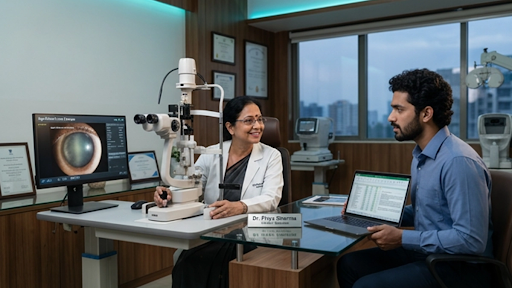
Cataracts in Young Adults in Shankar Nagar, raipur: Causes, Symptoms & Treatment
Cataracts are a frequent issue as we age, which can sometimes surprise doctors and patients when they occur in people in their 20s, 30s, and 40s. Cataracts in young adults may develop from diabetes, eye injury, hereditary conditions, inflammation, medication exposure, radiation, and other factors that affect the natural lens. As blurred vision is also present in other eye conditions, a full eye examination is essential.
Identifying early cataracts can help patients notice changes before they affect driving, reading, computer use, study, or day-to-day independence. This guide goes over the main cataract causes, warning signs to look for, diagnostic tests available, and treatment options, including when cataract surgery may be presented as a choice.
What Is a Cataract?
A cataract develops in the eye’s natural lens. The lens, which is behind the coloured iris and focuses light on the retina, can develop changes in its proteins that cause them to clump together. This does not allow light to pass as it should, causing hazy, faded, or distorted vision. Cataracts may affect one or both eyes, but they do not transfer from one eye to the other.
Although age-related cataracts remain the most common type, cataracts in young adults can occur for other reasons. A small opacity may cause little in the way of symptoms, while a dense or centrally located cataract may affect vision sooner.
Can Young Adults Develop Cataracts?
Yes. Cataracts in young adults are rare compared with age-related cataracts, but they may present at any age. Some people are born with or inherit lens changes that present later. Cataracts may also develop after trauma, illness, inflammation, exposure to radiation, previous eye surgery, or the long-term use of certain medications.
Recognising early cataracts can help prevent prolonged visual difficulty. The term early cataracts is a broad description rather than one specific disease. The ophthalmologist will review medicines, family history, past injuries, occupation, and other eye conditions that may be related, as these factors may also require attention.
Common Causes of Cataracts in Young Adults
In many cases that lead to cataracts in young adults, multiple causes may be involved, and at times more than one issue will be present. Sometimes no single cause can be determined.
Diabetes
Diabetes is known to be a risk factor for cataracts. High blood glucose levels over a long period may affect the lens and cause cataracts at an earlier age or make them develop more quickly. Fluctuating glucose levels can also cause temporary changes in focus or spectacle power, which may cause blurred vision that is not always a sign of a cataract.
A close look at the issue helps distinguish lens clouding from diabetic retinal disease and other health issues. Blood sugar stability is important for eye health and can also play a role in planning required operations. The National Eye Institute and MedlinePlus report that diabetes is among the primary cataract causes.
Eye Injury
Blunt-force trauma, puncture wounds, chemical burns, or other major accidents may cause damage to the lens. A traumatic cataract may present immediately after the incident or may develop years later, making previous injury an important cataract cause in what we consider young and healthy adults.
In cataracts in young adults, it is important to report past sports injuries, road accidents, work-related incidents, or childhood trauma. The doctor may also have to examine the cornea, iris, lens support, eye pressure, retina, and optic nerve before determining which treatment to use.
Steroid Medicines
Long-term or repeated use of steroids can cause cataracts. Steroids may be taken as tablets, injections, inhalers, skin creams, or eye drops for inflammatory, allergic, autoimmune, and respiratory issues. Risk is a function of dose, duration, route, and individual health.
Steroid-related lens changes can happen in people who are otherwise healthy. Steroid eye drops should not be used without medical supervision because they may also increase eye pressure or cause certain infections to worsen. Long-term users may require regular eye examinations.
Eye Inflammation and Previous Surgery
Uveitis and other types of long-term eye inflammation can damage the lens. The steroids used to control inflammation may also play a role. Previous eye surgery is another recognised cataract cause.
When inflammation is present, it needs to be managed before lens surgery. Care may also be coordinated with another physician when systemic inflammation is present.
Family History and Congenital Factors
Some people are born with a tendency to develop cataracts at an early age. A congenital opacity may remain small for years, while some genetic or metabolic disorders can cause changes in the lens at an early age.
A family history is a useful guide, but it does not mean that every relative will develop cataracts at a young age. In cataracts in young adults where cataracts are present in both eyes without a clear reason, it may be appropriate to conduct a more in-depth medical work-up.
Radiation, UV Exposure and Smoking
Radiation, long-term unprotected UV exposure, and smoking are known cataract causes that may contribute to earlier lens damage.
Symptoms of Early Cataracts
Cataracts in young adults usually present with painless and progressive symptoms. What may happen is blurred or cloudy vision, glare from sunlight or car headlights, halos around lights, reduced colour intensity that causes colours to appear washed out, difficulty with low-light conditions, double vision in one eye, and frequent changes in glasses or contact lens prescriptions.
Many people with early cataracts report difficulty with nighttime driving, reading fine print, or working under bright lights. The affected eye may compensate for the other eye, which can delay diagnosis.
These symptoms do not always characterise cataracts. Sudden blurring of vision, flashes, many new floaters, severe pain, marked redness, or a curtain-like shadow may indicate a different and potentially acute problem. Cataracts in young adults usually progress slowly, so sudden symptoms should be evaluated right away.
How Are Cataracts Diagnosed?
An ophthalmologist evaluates cataracts in young adults through a comprehensive eye examination. Testing may include visual acuity, refraction, slit-lamp examination, eye pressure measurement, pupil dilation, and examination of the retina and optic nerve. Dilation of the pupils is an important part of cataract evaluation.
The doctor will review diabetes, medications, injuries, inflammation, radiation exposure, and family history. At times, additional tests may be ordered when another condition is suspected.
Treatment Options
Treatment is based on visual function rather than age. In cataracts in young adults with mild cataracts, an initial trial of a new spectacle correction, brighter task lighting, glare reduction, or practical changes in work and driving may be recommended. These measures may provide temporary relief for some people, but they do not remove the lens opacity.
There is currently no proven eye drop, supplement, exercise, or home remedy that can reverse a diagnosed cataract. Cataract surgery to remove the cloudy natural lens is the established treatment that removes the cataract.
That said, we do not always go straight to the operating room as soon as early cataracts are reported. The decision is based on symptoms, lifestyle, health of the eye, and what one may expect from surgery.
When Is Cataract Surgery Recommended?
An ophthalmologist will discuss cataract surgery when glare, blurred vision, poor contrast, or night vision issues are affecting important activities. In a young person, that may include driving, computer work, study, fine-detail work, sports, or caregiving. The National Eye Institute reports that surgery is recommended for vision loss caused by cataracts when it impacts daily activities.
During cataract surgery, the cloudy lens is removed and replaced with an artificial intraocular lens, or IOL. Preoperative measurements guide IOL selection based on eye health and visual needs.
People diagnosed with cataracts in young adults may live with the implanted lens for many years, so care should pay close attention to long-term visual needs. Near vision issues, astigmatism, retinal and corneal health, and whether or not to wear glasses should also be part of the discussion.
Recovery and Expectations
Recovery from the procedure varies depending on which eye is affected and related health issues. Postoperative medicines and information are provided on how to protect the eye.
Signs of visual loss, severe persistent pain, marked redness, flashes, or an increase in new floaters require you to contact your ophthalmic team immediately.
Vision generally improves as healing progresses, but the outcome also depends on the cornea, retina, and optic nerve. At times, glasses may still be required, and complete spectacle independence is not guaranteed.
Can Early Cataracts Be Prevented?
Cataracts are not always preventable, but what we can do is reduce our risk. UV-protective sunglasses, appropriate safety wear, smoking cessation, management of diabetes, and medical supervision of steroid use can support the long-term health of the eye.
These measures do not reverse early cataracts, but they do address known cataract causes and risk factors.
At early stages, the ophthalmologist can document progression and plan treatment accordingly.
When Should You Visit ASG Eye Care in Shankar Nagar, raipur?
Schedule an eye examination when you have blurred vision, glare, halos, poor night vision, faded colours, or if you are changing your glasses frequently. Also get an examination after an eye injury or while taking long-term steroid medication.
At ASG Eye Care, our ophthalmologists will determine whether cataracts in young adults are the cause of your symptoms, review possible cataract causes, and discuss options that may include close monitoring, updating glasses, medical care coordination, or cataract surgery, depending on the individual eye.
We will tailor the management of cataracts in young adults to what we find during the examination.
Conclusion: Cataracts in Young Adults in Shankar Nagar, raipur
A cataract diagnosis at a younger age may be unexpected, but it can be managed with accurate assessment and individualised care. Cataracts in young adults may result from diabetes, injury, steroid use, inflammation, family history, radiation, and other causes. We pay as much attention to the context as we do to identifying the disease process.
Monitoring may be adequate while vision remains stable. When symptoms affect work, driving, study, or independence, cataract surgery may be an option after a full evaluation.
If you experience persistent glare, cloudy vision, or repeated prescription changes in Shankar Nagar, raipur, these symptoms should be evaluated rather than written off as regular eye strain. A professional eye examination at ASG Eye Care can help determine the cause and the most appropriate next step.
Frequently Asked Questions
1. Are Cataracts Normal in Your Twenties or Thirties?
They are not as common as age-related cataracts, but cataracts in young adults do occur. Diabetes, trauma, steroids, inflammation, inheritance, radiation, and previous eye surgery are recognised cataract causes. An eye examination is the way to diagnose the cataract and determine what may have contributed to it.
2. What Are the First Signs of Cataracts?
Early cataracts may present with mild blurring, glare, halos, faded colours, difficulty seeing at night, or frequent changes in glasses. Early cataracts may also present without symptoms and can sometimes be detected during a routine eye examination.
3. Can Screen Time Cause Cataracts?
Routine screen use has not been proven to cause cataracts. It can contribute to digital eye strain, dryness, headaches, and focusing discomfort. Persistent blurred vision should be checked by an eye-care professional.
4. Can Cataracts Progress Quickly in Younger People?
Progression is variable. Cataracts in young adults may remain mild for years, while others related to trauma, diabetes, inflammation, or steroid use may progress more quickly. Follow-up is important to monitor changes.
5. Can a Cataract Be Treated Without Surgery?
New or improved glasses, better lighting at home, and anti-glare lenses may help during the early stages of cataracts. However, they do not remove the clouding of the lens. When the cataract significantly interferes with daily life, cataract surgery remains the routine treatment.
6. Is Cataract Surgery Safe for a Young Adult?
Cataract surgery is very common, but like all operations, it carries risks. The ophthalmologist will consider IOL choice, eye health, near-vision needs, and related disease before recommending the procedure.
7. Can Steroid Eye Drops Cause Cataracts?
Prolonged use of steroids may cause cataracts and can also increase intraocular pressure. Steroids should be used as prescribed and under appropriate follow-up. Do not begin or stop prescribed steroids based on online research.
8. Do Cataracts Return After Surgery?
The natural lens that is removed during cataract surgery does not grow back. However, the capsule behind the IOL may become cloudy later. This is known as posterior capsule opacification, sometimes called a secondary cataract, and it is usually treated with a laser procedure.