





 ₹https://clinic.asgeyehospital.com/locator/-in-bilaspur/-in-vaishali-nagar/asg-eye-hospital-in-vaishali-nagar-bilaspur--5ldAzU/articles/8-reasons-you-have-a-headache-behind-your-eyes-in-vaishali-nagar-bilaspur-how-to-fix-it--84c83a93-4876-468a-b7cb-d6f9a9844fc3
ASG Eye Hospital, Vaishali Nagar, bilaspur
Srikant Verma Marg, Talapara, Nearby Sony Showroom, Vaishali Nagar, bilaspur, chhattisgarh - 495001
Request A Call Back
ASG Eye Hospital Social Feeds in Vaishali Nagar, bilaspur
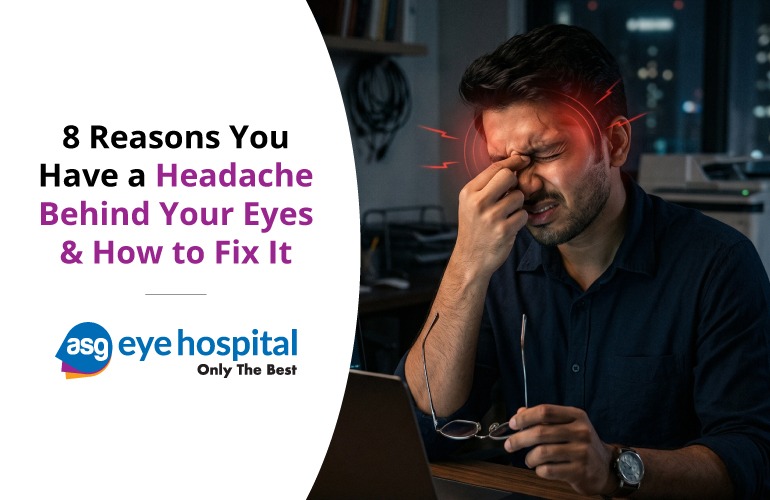
8 Reasons You Have a Headache Behind Your Eyes in Vaishali Nagar, bilaspur & How to Fix It
Below are eight common causes of headaches behind the eyes along with practical ways to manage them.
1. Eye Strain from Digital Screens
Extended use of computers, smartphones, and tablets is one of the most common causes of headaches behind the eyes. Continuous screen exposure forces the eyes to focus intensely, which can fatigue the eye muscles.
Common symptoms include:
Pain or pressure behind the eyes
Blurred or fluctuating vision
Dry or irritated eyes
Increased sensitivity to light
How to manage it
Reducing screen strain is essential. The 20-20-20 rule is highly recommended: every 20 minutes, look at something 20 feet away for at least 20 seconds. Maintaining proper lighting, adjusting screen brightness, and using prescribed glasses can also help reduce strain.
Artificial tears and improved workstation ergonomics can further minimise digital eye fatigue.
2. Migraine
Migraines are neurological headaches that often produce intense pain behind or around the eyes. They may occur on one side of the head and are frequently accompanied by additional symptoms.
Common migraine triggers include:
Hormonal fluctuations
Stress
Lack of sleep
Certain foods
Bright lights
People experiencing migraine pain behind the eyes may also have nausea, visual disturbances, and sensitivity to sound or light.
Treatment usually involves prescription medications, lifestyle adjustments, adequate hydration, and identifying personal triggers.
3. Sinusitis
Inflammation or infection of the sinus cavities can create pressure around the forehead, cheeks, and eye area, resulting in headaches behind the eyes.
Additional symptoms may include:
Nasal congestion
Facial pressure
Postnasal drip
Fever
Reduced sense of smell
Treatment generally involves decongestants, antihistamines, saline nasal sprays, or antibiotics if the infection is bacterial.
Managing sinus inflammation often provides significant relief from eye pressure.
4. Refractive Errors
Uncorrected vision problems such as myopia (nearsightedness), hyperopia (farsightedness), and astigmatism can cause the eye muscles to work harder when focusing. Over time, this strain can lead to persistent headaches behind the eyes.
Common symptoms include:
Eye fatigue
Blurred vision
Difficulty focusing
Recurring headaches during reading or screen use
A comprehensive eye examination can detect refractive errors. Corrective lenses such as glasses or contact lenses usually resolve these symptoms effectively.
5. Cluster Headaches
Cluster headaches are a rare but extremely painful form of headache that typically occurs around or behind one eye. These headaches appear in cycles or clusters and may last for weeks or months.
Symptoms may include:
Severe pain behind one eye
Red or watery eyes
Nasal congestion on one side
Restlessness during attacks
Cluster headaches often require neurological evaluation and specialised medication for effective management.
6. Glaucoma
Acute angle-closure glaucoma is a serious eye condition that can cause sudden eye pain and headaches behind the eyes. The condition results from increased intraocular pressure and requires immediate medical attention.
Possible symptoms include:
Severe eye pain
Halos around lights
Sudden blurred vision
Nausea and headache behind the eyes
If untreated, glaucoma can lead to permanent vision loss, making early diagnosis essential.
7. Dry Eye Syndrome
Dry eye occurs when the eyes do not produce enough tears or when tear quality is poor. This leads to irritation, discomfort, and sometimes headaches around the eyes.
Common symptoms include:
Burning sensation
Redness
Gritty feeling in the eyes
Eye fatigue
Dry eye is often overlooked when people ask, “How do I relieve pressure behind my eyes?”
Treatment usually includes lubricating eye drops, lifestyle adjustments, and limiting exposure to dry environments or prolonged screen use.
8. Stress and Tension Headaches
Stress and muscle tension in the forehead, temples, and eye area can cause headaches that extend behind the eyes.
Common triggers include:
Long working hours
Poor posture
Mental stress
Lack of sleep
Managing tension headaches involves stress reduction techniques, adequate hydration, good sleep habits, and proper workplace ergonomics.
How to Relieve Headache Behind the Eyes
Although treatment depends on the underlying cause, several strategies may help reduce symptoms:
Stay well hydrated throughout the day
Take regular breaks from digital screens
Maintain proper lighting while reading or working
Wear prescribed eyeglasses when needed
Apply cold compresses to reduce discomfort
Ensure adequate sleep and stress management
These simple steps can help reduce eye strain and prevent recurring headaches.
When to Seek Medical Attention
Some symptoms may indicate a more serious condition and require professional evaluation.
Seek medical attention if you experience:
Sudden or severe eye pain
Headaches that persist for several days
Visual disturbances such as halos or blurred vision
Eye redness or swelling
Nausea or vomiting associated with eye pain
An ophthalmologist can determine whether the headache is related to eye strain, refractive errors, glaucoma, or another underlying condition.
Conclusion
For many individuals in Vaishali Nagar, bilaspur, headaches behind the eyes can result from several factors including digital eye strain, migraines, sinus infections, refractive errors, dry eye syndrome, or glaucoma. Identifying the root cause is essential to ensure appropriate treatment and prevent long-term complications.
Anyone experiencing persistent headaches behind the eyes should consult an experienced eye specialist for a comprehensive evaluation. Early diagnosis not only helps relieve discomfort but also protects long-term visual health.
Advanced eye care services and comprehensive ophthalmic evaluations are available at ASG Eye Hospital, where experienced specialists can diagnose the underlying cause of eye-related headaches and recommend appropriate treatment.