





 ₹https://clinic.asgeyehospital.com/locator/patna/raja-bazar-indrapuri/asg-vedanta-netra-vigyan-kendra-an-asg-eye-hospital-in-raja-bazar-indrapuri-patna--3AXOzC/articles/gas-eye-irritation-causes-remedies-you-should-know--78e0394c-9ef7-4bb2-90a7-2c0e0ac47d4c
ASG Vedanta Netra Vigyan Kendra | An ASG Eye Hospital, Raja Bazar Indrapuri, patna
Ashiana - Digha Rd, Samanpura, near Passport office, Raja Bazar Indrapuri, patna, bihar - 800014
Request A Call Back
ASG Vedanta Netra Vigyan Kendra | An ASG Eye Hospital Social Feeds in Raja Bazar Indrapuri, patna
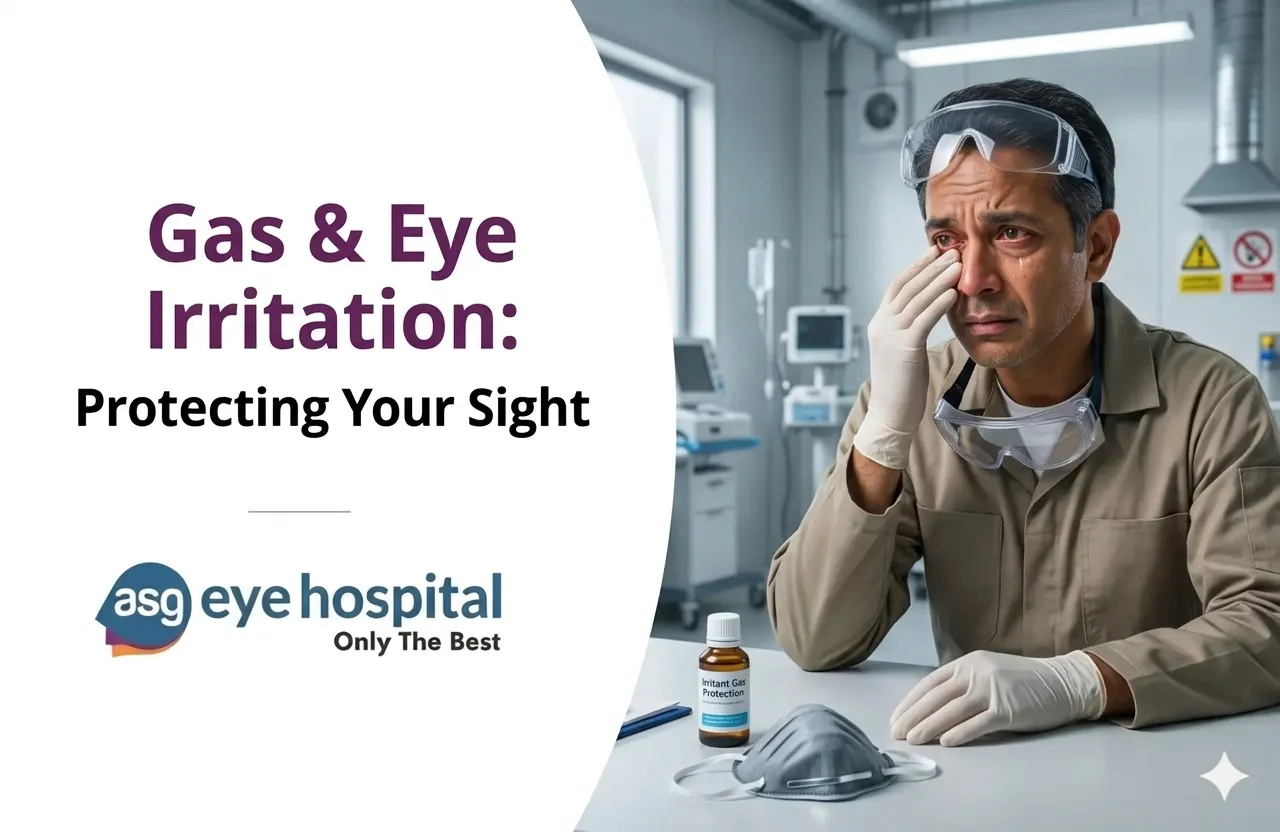
Gas & Eye Irritation: Causes & Remedies You Should Know in Raja Bazar Indrapuri, patna
People in crowded cities, industrial areas, or poorly ventilated rooms can experience eye irritation very quickly when exposed to harmful gases and airborne pollutants. In Raja Bazar Indrapuri, patna, many people complain of redness, itching, watering, or discomfort without realizing what is causing these symptoms. In many cases, gas exposure can trigger significant eye irritation because the eyes are highly sensitive to smoke, pollution, and airborne particles.
Can Gas and Pollution Irritate the Eyes?
Yes, exposure to smoke, gas leaks, pollution, and chemical fumes can irritate the eyes by damaging the natural tear film. Common symptoms include:
Redness
Burning sensation
Itching
Watering
Dryness
Blurred vision
Early eye care, proper ventilation, protective eyewear, and reducing exposure to irritants can help protect eye health and prevent long-term discomfort.
How Harmful Gases Affect the Eyes
The eyes contain sensitive tissues that react quickly to environmental irritants. Common sources include:
Smoke
Exhaust fumes
Chemical vapours
Household cleaning products
Cooking gas leaks
One of the major causes of gas-related eye irritation is the disruption of the eye's natural tear film caused by airborne toxins.
Once the protective moisture layer is disturbed, the eyes may begin to:
Burn
Itch
Water excessively
Feel dry
In some cases, people may also experience:
Blurred vision
Swelling
Light sensitivity
If irritation continues for a prolonged period, the risk of infections and long-term discomfort may increase.
Eye specialists often observe that many individuals ignore symptoms until they become difficult to manage. Early consultation with an eye doctor can help identify the problem and prevent complications.
Gas-Related Eye Irritation Overview
Understanding the Causes of Gas Eye Problems
To maintain healthy eyes, it is important to understand the common causes of gas-related eye problems.
Exposure can occur in:
Homes
Offices
Roads and traffic environments
Industrial workplaces
Some common causes include:
Household gas leaks
Traffic pollution
Chemical cleaning agents
Industrial fumes
Poor ventilation is another significant contributor. When fresh air circulation is limited, irritants can accumulate indoors and cause ongoing eye discomfort.
Factories, laboratories, and construction sites may expose workers to airborne chemicals that can negatively affect eye health.
People with:
Allergies
Dry eye syndrome
Contact lens sensitivity
may experience more severe symptoms.
With increasing pollution levels in urban areas, eye burning caused by gas and pollution has become more common, especially during hot and humid weather.
Warning Signs That Should Never Be Ignored
The effects of gas exposure may appear immediately or develop gradually depending on the intensity and duration of exposure.
Common warning signs include:
Redness
Excessive tearing
Itching
Swelling
Burning sensation
Blurred vision
Light sensitivity
Eye specialists strongly advise against rubbing the eyes after exposure, as it can worsen irritation and inflammation.
Instead:
Rinse the eyes gently with clean water
Avoid touching the eyes unnecessarily
Seek professional care if symptoms persist
If discomfort continues for several hours or worsens, an appointment with an eye doctor is recommended.
Repeated exposure can also make activities such as reading, driving, or using digital screens increasingly uncomfortable.
Effective Remedies for Gas-Related Eye Irritation
Reducing exposure to smoke, gases, and pollutants remains the most important treatment approach.
Common remedies include:
Lubricating eye drops
Artificial tears
Cool compresses
Resting the eyes
These measures can help relieve dryness, irritation, swelling, and discomfort.
Protective Eyewear
Eye protection is particularly important in high-risk environments.
Protective glasses can help shield the eyes from:
Smoke
Dust
Chemical particles
Airborne pollutants
Improve Indoor Air Quality
Proper air circulation inside homes and workplaces can significantly reduce exposure to airborne irritants.
Fresh air helps:
Lower indoor pollutant levels
Improve eye comfort
Support overall eye health
Individuals experiencing persistent eye burning due to gas exposure should avoid self-medication and seek professional evaluation if symptoms worsen.
Eye specialists often emphasize that understanding personal triggers is one of the most effective ways to prevent recurring irritation and long-term eye problems.
Prevention Tips for Long-Term Eye Safety
Prevention remains the most effective way to protect vision and maintain healthy eyes.
Helpful preventive measures include:
Wearing protective eyewear in polluted environments
Improving indoor ventilation
Reducing smoke exposure
Cleaning air filters regularly
Maintaining good eye hygiene
Following workplace safety guidelines
Employees who work around chemicals and industrial pollutants should strictly follow recommended safety precautions.
Maintaining adequate eye moisture and minimizing exposure to harmful air can help keep the eyes comfortable throughout the day.
Regular eye check-ups with an eye specialist can also help identify potential issues before they become serious.
With increasing exposure to pollution and chemicals, protecting eye health has become more important than ever.
Conclusion
In Raja Bazar Indrapuri, patna, growing levels of pollution, smoke, and environmental irritants have made eye irritation caused by gas exposure increasingly common. Recognizing symptoms early, seeking timely eye care, and adopting preventive measures can help protect your vision and reduce long-term complications.
By consulting a trusted eye doctor, improving ventilation, wearing protective eyewear, and maintaining good eye hygiene, individuals in Raja Bazar Indrapuri, patna can significantly reduce their risk of gas-related eye problems and enjoy healthier, more comfortable vision.
FAQ Section
1. What causes gas-related eye irritation?
Gas-related eye irritation is commonly caused by smoke, pollution, chemical fumes, household gas leaks, and poor indoor ventilation.
2. Why do my eyes burn after gas exposure?
Harmful gases disturb the tear film and irritate sensitive eye tissues, causing burning, redness, and watering.
3. Can pollution damage eye health?
Yes. Long-term exposure to pollution and airborne irritants may worsen dryness, allergies, infections, and eye discomfort.
4. What are common symptoms of gas eye irritation?
Symptoms include redness, itching, watering, dryness, swelling, blurred vision, and light sensitivity.
5. How can I relieve eye burning caused by gas?
Rinsing the eyes with clean water, using lubricating eye drops, avoiding rubbing, and resting the eyes may help relieve symptoms.
6. When should I visit an eye doctor?
Consult an eye doctor if symptoms last more than a few hours, worsen, or include severe pain or vision changes.
7. Can contact lenses worsen eye irritation from pollution?
Yes. Contact lenses may trap pollutants and irritants, making eye discomfort worse during exposure.
8. How can I protect my eyes from pollution and chemicals?
Wearing protective eyewear, improving ventilation, avoiding smoke exposure, and maintaining eye hygiene help reduce risk.